


Cálculo intensivo
El Centro facilita a los usuarios la capacidad de cálculo y de almacenamiento necesarias y el software de aplicación. SCAYLE dispone de un equipo de expertos multidisciplinar para asesorar a los grupos de usuarios en la mejor solución para sus necesidades.

Cloud computing
Desde sus comienzos, el Centro ha hecho una apuesta decidida por el Cloud Computing y sus tecnologías y metodologías asociadas, sobre la base de que el Cloud supone una forma eficiente de utilización de infraestructuras TI. Por ello el centro participa en proyectos de desarrollo de tecnología Cloud, y ofrece servicios basados en ella.

RedCAYLE
El primer propósito de la red es la prestación de servicios de conectividad y telecomunicaciones, siendo además el medio idóneo para canalizar servicios de valor añadido.
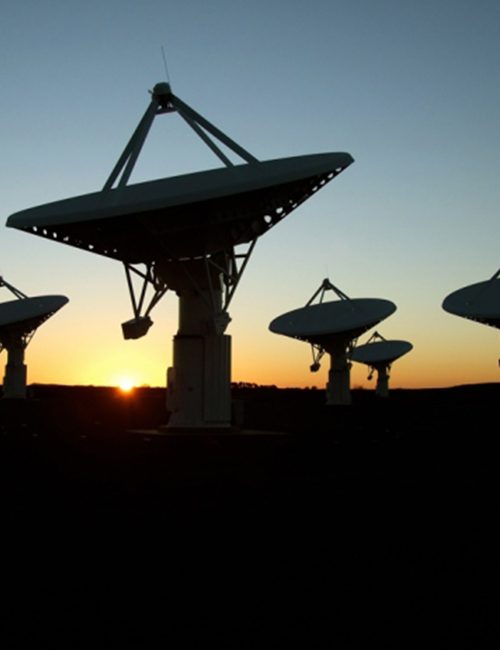
Proyecto SKA
El mayor radiotelescopio del mundo

Proyecto Cross-Forest
Control de incendios forestales